The Timeless Edge of Men's Jackets, Tuxedos, and Wedding Suits
There’s a certain quiet authority that comes with a well-tailored jacket. It’s not just about the fabric or the cut—it’s about the statement it makes without saying a word. In design, we often talk about visual hierarchy and brand perception, and nothing communicates those ideas quite like the structured elegance of men's formalwear. Whether it’s the sharp lines of a tuxedo, the versatile charm of a wedding suit, or the confident silhouette of a well-chosen jacket, these pieces aren’t just clothing; they’re a language of style, professionalism, and occasion.
Understanding the Visual Language of Formalwear
Let’s break down what makes these garments so effective from a design perspective. A tuxedo, with its satin lapels and clean lines, embodies modern typography at its finest—structured, high-contrast, and built for impact. It’s the equivalent of a premium display font: bold, unmistakable, and reserved for moments that demand attention. Think of a black-tie event or a gala; the tuxedo is your logo design centerpiece, the element that anchors the entire visual identity of the evening.
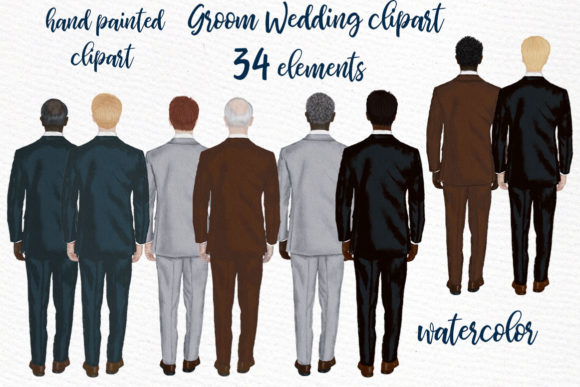
A wedding suit, on the other hand, offers more versatility. It can be classic or contemporary, muted or expressive, much like a well-designed serif font or sans serif font that balances readability with personality. The wedding suit adapts to the story being told—whether it’s a minimalist city ceremony or a rustic countryside affair. It’s the kind of design asset that works across multiple contexts, much like a reliable font pairing that holds a brand’s identity together across print and digital.
And then there’s the jacket—the foundational piece. It can be a blazer, a sport coat, or a tailored overcoat. Each has its own visual characteristics: the blazer’s structured shoulders, the sport coat’s textured fabric, the overcoat’s dramatic length. These aren’t just garments; they’re creative fonts in a designer’s toolkit. The right jacket can elevate a casual outfit into something polished, much like how a script font or handwritten font can add warmth and approachability to a brand’s voice.
Where This Style Truly Shines
In practical terms, the influence of men's jackets, tuxedos, and wedding suits extends far beyond the closet. For designers and brand strategists, these pieces are a masterclass in consistency and professionalism. Imagine crafting a brand identity for a luxury menswear label. The visual language would draw directly from the precision of a tuxedo’s lapels, the subtle texture of a wedding suit’s wool, or the confident drape of a tailored jacket. These elements inform everything from packaging design to web design, creating a cohesive brand identity that feels both aspirational and authentic.
For content creators and marketers, the aesthetic of formalwear can shape social media graphics, editorial layouts, and advertising campaigns. A Father’s Day promotion, for example, might use the timeless appeal of a man in a well-fitted jacket to evoke respect, tradition, and care. The visual weight of the garment helps establish a clear visual hierarchy, guiding the viewer’s eye to key messages and calls to action. It’s not about selling a suit; it’s about communicating values—reliability, sophistication, and attention to detail.
In publishing and editorial design, the silhouette of a tuxedo or the texture of a wedding suit can inspire layout choices, color palettes, and typographic selections. A magazine spread about modern groom style might pair sharp, geometric layouts with a premium font that echoes the clean lines of the clothing. The result is a seamless blend of content and design, where the typography and imagery work together to tell a complete story.
Making It Work for Your Projects
So, how do you bring this sensibility into your own work? Start by observing the details. Notice how a tuxedo’s satin lapels catch the light, or how a wedding suit’s subtle pattern adds depth without overwhelming. These observations can translate into design decisions—choosing a display font with high contrast for headlines, or selecting a serif font with elegant details for body text in an editorial layout.
When evaluating font pairings, think about the balance between formality and approachability. A tuxedo-inspired aesthetic might call for a classic serif paired with a clean sans serif, much like pairing a formal jacket with a crisp shirt and tie. For more relaxed contexts, like a wedding suit at a beach ceremony, you might lean toward a modern typography style with softer edges and more personality. Always test your choices in context—see how they look in a mockup of a logo design, on a website, or in a printed brochure.
Consider the practical aspects too. If you’re working on a commercial project, ensure any commercial font you choose has the right licensing for your use—whether for a client’s brand identity, a product line, or digital marketing materials. Review the font’s included styles, weights, and glyphs to ensure it offers the flexibility you need. And never underestimate the importance of readability; even the most beautiful creative font must serve its primary purpose: clear communication.
Ultimately, the world of men's jackets, tuxedos, and wedding suits offers a rich well of inspiration for anyone working in visual fields. It’s a reminder that great design—whether in clothing or typography—is about more than just looking good. It’s about creating a feeling, telling a story, and building a connection with your audience. So the next time you’re starting a project, consider the quiet power of a well-chosen jacket. It might just be the design inspiration you’ve been looking for.